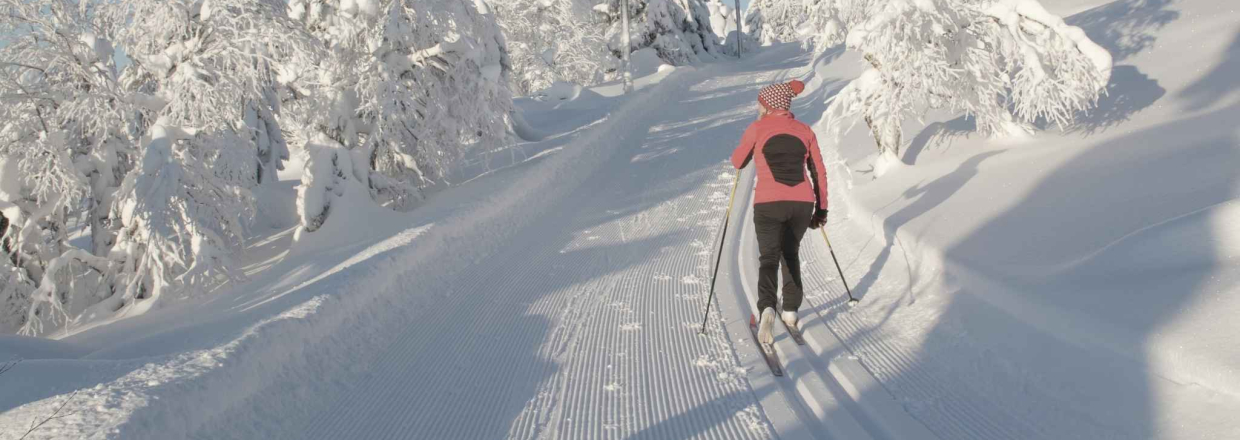
Skiing is great fun, but it can be demanding on the body, especially if you have not been on the slopes for a while. Cold weather, longer days on your feet, and repeated turning can load the legs, knees and lower back more than you expect.
A little preparation goes a long way. These physio-recommended tips focus on ski fitness exercises, a simple warm-up, and a realistic ski workout approach to help reduce injury risk and keep you feeling confident on the slopes.
1) Start every ski day with a proper skiing warm up
A warm-up helps your joints move more freely and prepares your muscles for repeated turns and changes in pace. Aim for 5–10 minutes before your first run.
A simple skiing warm up:
- Brisk walk or marching on the spot (1–2 minutes)
- 15 controlled squats (small range to start)
- 8 lunges each side (use support if needed)
- Side steps for 30 seconds each way
- 15 calf raises, then ankle circles
Keep the movement controlled and progressive rather than forcing big stretches when you are cold. And if you struggle with cold hands and feet in winter, these circulation-boosting exercises can help.
2) Focus your ski fitness exercises on control, not just strength
Skiing is not only about strong quads. It is also about stability and control, especially as when your energy dips. When control drops, the knees and lower back often take more load.
Useful ski fitness exercises to train before a trip include:
- Step-ups (slow on the way down)
- Split squats or lunges
- Hip hinge patterns (e.g., light Romanian deadlifts)
- Side lunges or lateral step-downs
- Core control (planks, dead bugs)
If you have limited time, choose 3–4 exercises and repeat them consistently. A simple plan you stick to usually works better than a perfect plan you never get around to.
3) Protect your knees by pacing your day
Fatigue is a major factor in ski injuries. Many people feel fine early on, then gradually lose form later in the day.
Simple pacing habits:
- Use the first couple of runs as a warm-up period
- Take short breaks before your legs feel heavy
- Be cautious with “one last run” if you are tired
- If your turns start to feel sloppy, stop and reset
- If you have had knee pain before, choosing control over speed is often the most protective approach.
4) Keep your ski workout realistic and repeatable
A ski workout does not need to be intense. It needs to prepare your legs and joints for repeated effort. Two or three short sessions per week for a few weeks can help.
A simple ski workout (20–25 minutes, 2–3 times a week) - 3 rounds of:
- 10 squats
- 8 step-ups each side
- 10 hip hinges (bodyweight or light weight)
- 30–45 seconds plank
- 30–60 seconds easy cardio (brisk walk, stairs, bike)
- If you are short on time, do one or two rounds. Consistency matters more than doing everything perfectly.
5) Ski trainer machines: what to know
These can be helpful for building leg endurance and general conditioning, especially if they encourage consistent training.
They are most useful when:
- You enjoy using them and will keep it up
- You use them alongside strength and control exercises
They are less useful if they replace the basics. Single-leg strength, hip control and core endurance are still important for skiing, and a ski trainer machine does not cover everything on its own. If you use one, treat it as a tool that supports your plan, not the plan itself.
Quick questions before you ski
How long should I do ski fitness exercises before a ski trip?
Aim for 2–3 sessions a week for 4 weeks if you can. Even 1–2 weeks of consistent prep can help, but start gently if you’re new to training.
What should I do if I get knee or back pain while skiing?
Stop and rest, then reassess. If pain changes your movement, causes instability, or worsens with each run, it’s best to stop for the day. If symptoms persist after the trip or affect walking, get it assessed.
Do I need equipment for a ski workout?
No. You can prepare with bodyweight exercises like squats, step-ups (stairs), lunges, and planks. Add light weights only if they feel comfortable and controlled.
Ready for the slopes
If you are planning a ski trip and want help preparing, or you are managing pain that could limit your time on the slopes, physiotherapy can help. Ascenti’s clinicians provide personalised assessment and treatment plans so you can move more confidently and feel better in your body.
If you’d like more practical support beyond skiing prep, our Expert Advice hub includes guides on staying active, managing common aches and pains, and simple exercises you can do at home.